Service
Water Damage Restoration in Santa Rosa, CA
Water Damage Restoration in Santa Rosa is built for homeowners dealing with water event response priorities, material drying context and mold risk after water intrusion. The page explains practical next steps, moisture source review plus service options for homes in Santa Rosa, CA.
Call NowPractical mold guidance for Santa Rosa homeowners
Help for visible mold, recurring odors and moisture concerns, with clear service options for homes across Sonoma County.
Focused on leak-related and hidden moisture concerns
Many mold calls connect to a water event. Describing what happened and when helps point the conversation toward the right service.
Straightforward service routing, no pressure
The goal is to match what you are seeing with the service path that makes the most sense for the affected area.
Santa Rosa and approved Sonoma County communities
Service information is available for Santa Rosa and nearby approved communities. Call to confirm coverage for your address.
Service overview
Water Damage Restoration for Santa Rosa, CA
Water Damage Restoration in Santa Rosa is built for homeowners dealing with water event response priorities, material drying context and mold risk after water intrusion. The page explains practical next steps, moisture source review plus service options for homes in Santa Rosa, CA.
If you are not sure which service fits your situation, call first and describe the moisture source, affected rooms and visible signs.
Service overview
What Water Damage Restoration Covers
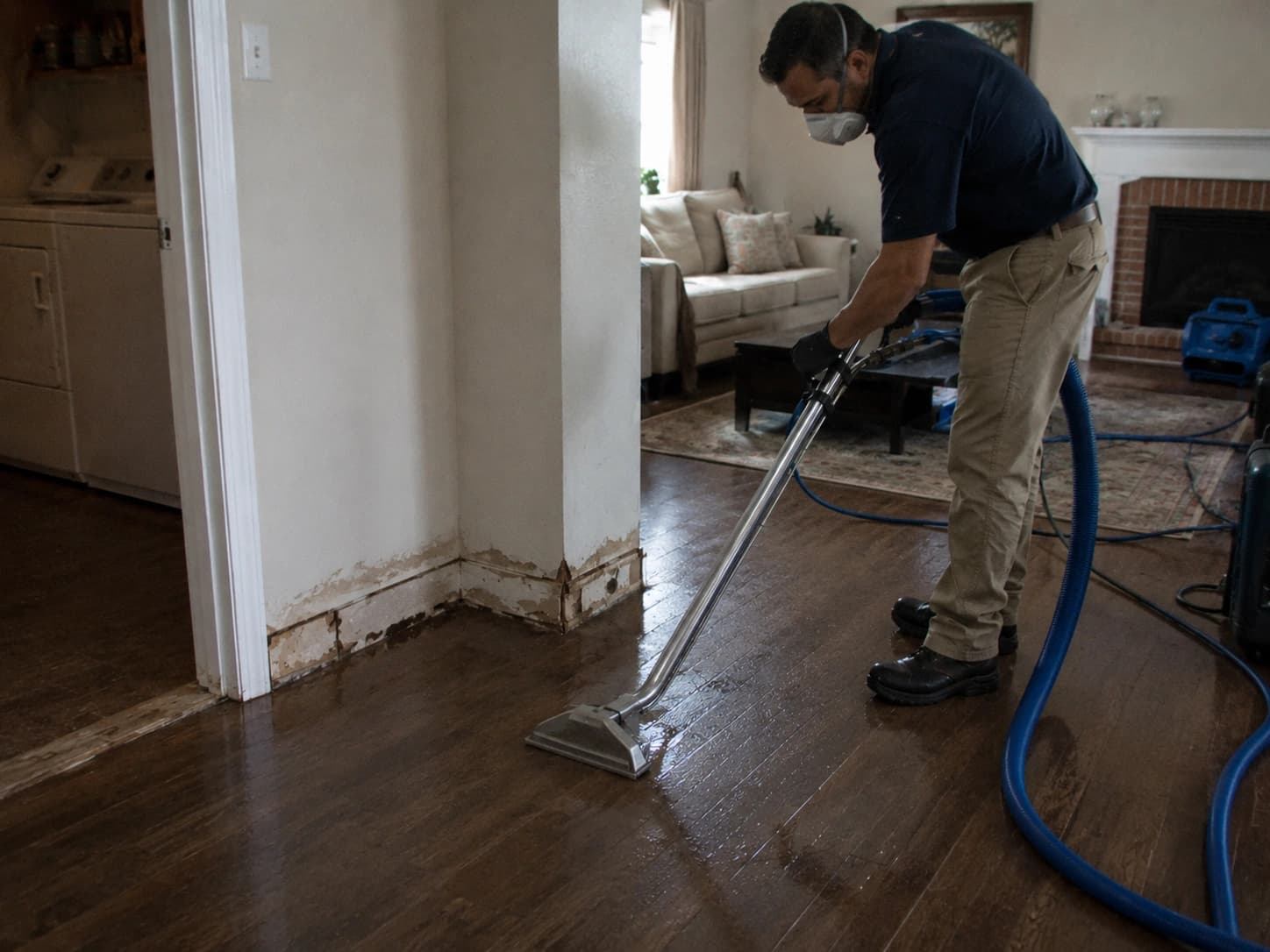
Water damage restoration focuses on removing standing water, drying saturated materials and stabilizing a home after a leak, flood or plumbing failure. The goal is to prevent further damage and reduce mold risk by getting materials dry before spores can establish.
Restoration scope varies based on how much water was involved, how long it was present before discovery and which materials were affected. Drywall, flooring, subfloor and insulation all absorb moisture differently and require different drying approaches.
Describing what happened, when it happened and which rooms were affected helps identify whether extraction, structural drying or a combination of services is the right starting point.
When to call
When to Ask About Water Damage Restoration
- Flooding from a burst pipe, appliance failure or storm event affected one or more rooms
- Standing water was present for more than a few hours before cleanup started
- Flooring, drywall or cabinets are visibly saturated, warped or soft to the touch
- A musty odor developed within a few days of a water event that was cleaned up
Service needs
What Restoration Work Can Include
Extracting standing or pooled water from floors, carpet and affected materials
Setting up drying equipment and monitoring moisture levels until materials reach safe readings
Identifying materials that cannot be restored and need removal before repair work begins
Coordinating a plan for repair and finish work once drying is verified complete
Local context
Water Damage in Santa Rosa and Sonoma County
Heavy winter rains in Sonoma County push roof, gutter and crawlspace moisture issues to the surface. A roof failure during a January storm can put water into an attic space before a homeowner notices ceiling staining below.
Appliance leaks are common in both newer and older Santa Rosa homes. A slow drip from a refrigerator line or dishwasher can saturate subfloor layers for weeks before signs appear on the surface.
Photograph standing water and damaged materials before cleanup starts. Record when the event occurred, which rooms were affected and what the source was. That documentation is important whether or not you plan to file a claim.
How calls are handled
A Practical Sequence for Mold and Moisture Concerns
Most homeowners want to know what to expect before work starts. This sequence gives a realistic picture of how a mold or moisture situation is typically handled from first contact through completion.
Describe what you are seeing
Share which rooms are affected, when you first noticed signs and any odor or leak history you know about. More detail up front means less back-and-forth later.
Review moisture source and leak history
Understanding when a leak happened, whether the source was repaired and how materials were dried afterward helps shape the right response.
Identify affected materials
Soft drywall, warped trim, damp subfloor and stained surfaces each point to different drying or removal needs. Knowing the material helps plan the scope.
Contain and clean the affected area
Containment keeps growth from spreading during cleanup. Damaged materials are then removed or treated based on how wet they are and how long they were exposed. For larger cleanup projects where damaged drywall, trim, flooring or stored contents need to be cleared out, a dumpster rental can help keep disposal organized while the affected area is contained, cleaned and dried.
Dry and monitor until materials are stable
Drying equipment runs until moisture meter readings confirm materials have reached safe levels. This step matters more than it looks from the outside.
Confirm next steps and repair coordination
Once drying and any testing confirm the area is stable, repair work can be planned. This includes patching drywall, replacing trim or restoring finishes as needed.
Call now
Need Water Damage Restoration Help?
Call to explain what happened and ask about Water Damage Restoration help in Santa Rosa, CA.
Call NowRelated Services
Structural Drying
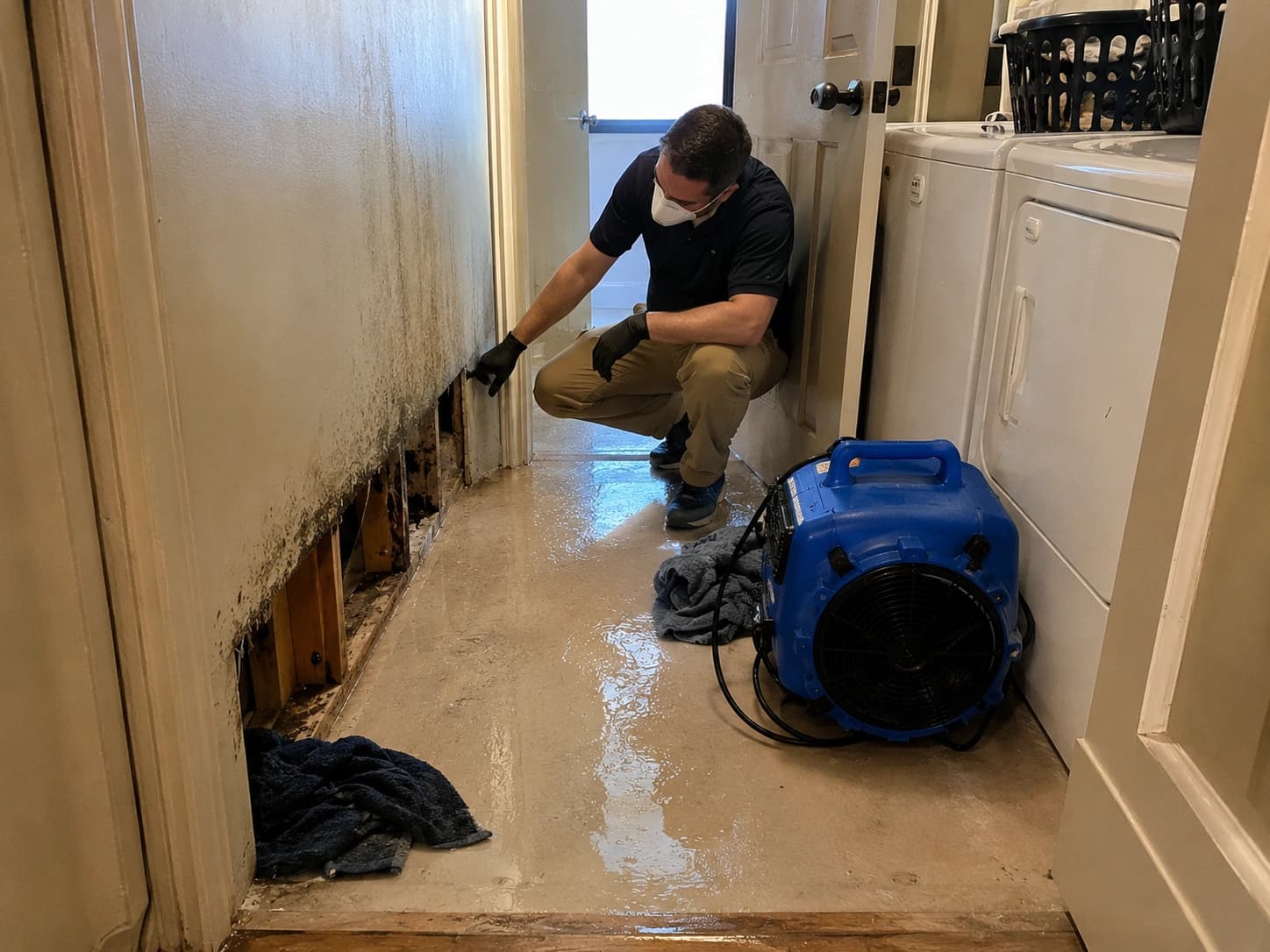
Drywall, subfloor layers and insulation hold moisture long after a surface looks and feels dry. Measured drying helps confirm when materials are actually stable.
Learn more →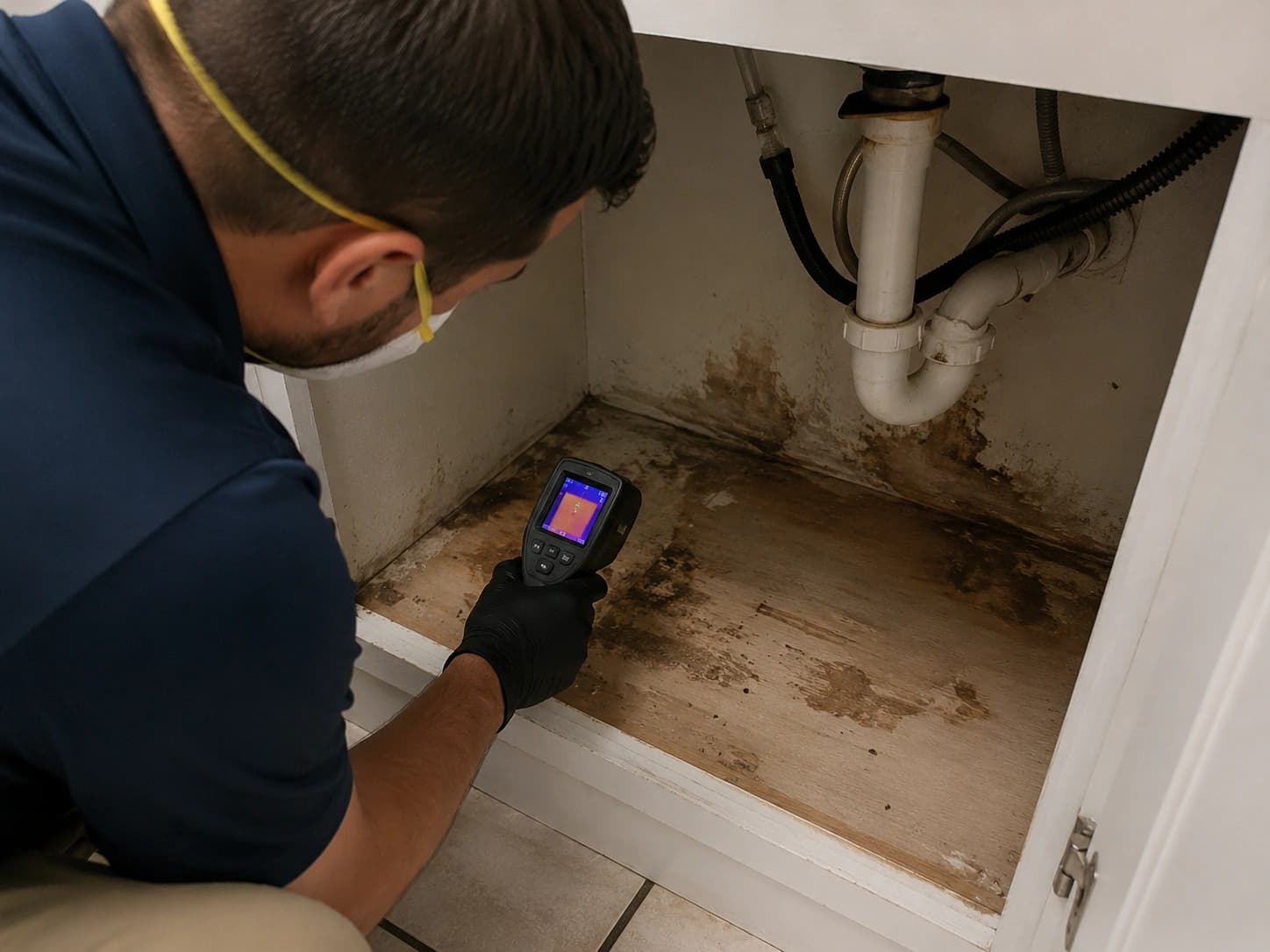
Moisture Detection
When odor or staining keeps returning after cleaning, moisture is likely still present behind walls or under flooring. Detection equipment can locate it before cleanup begins.
Learn more →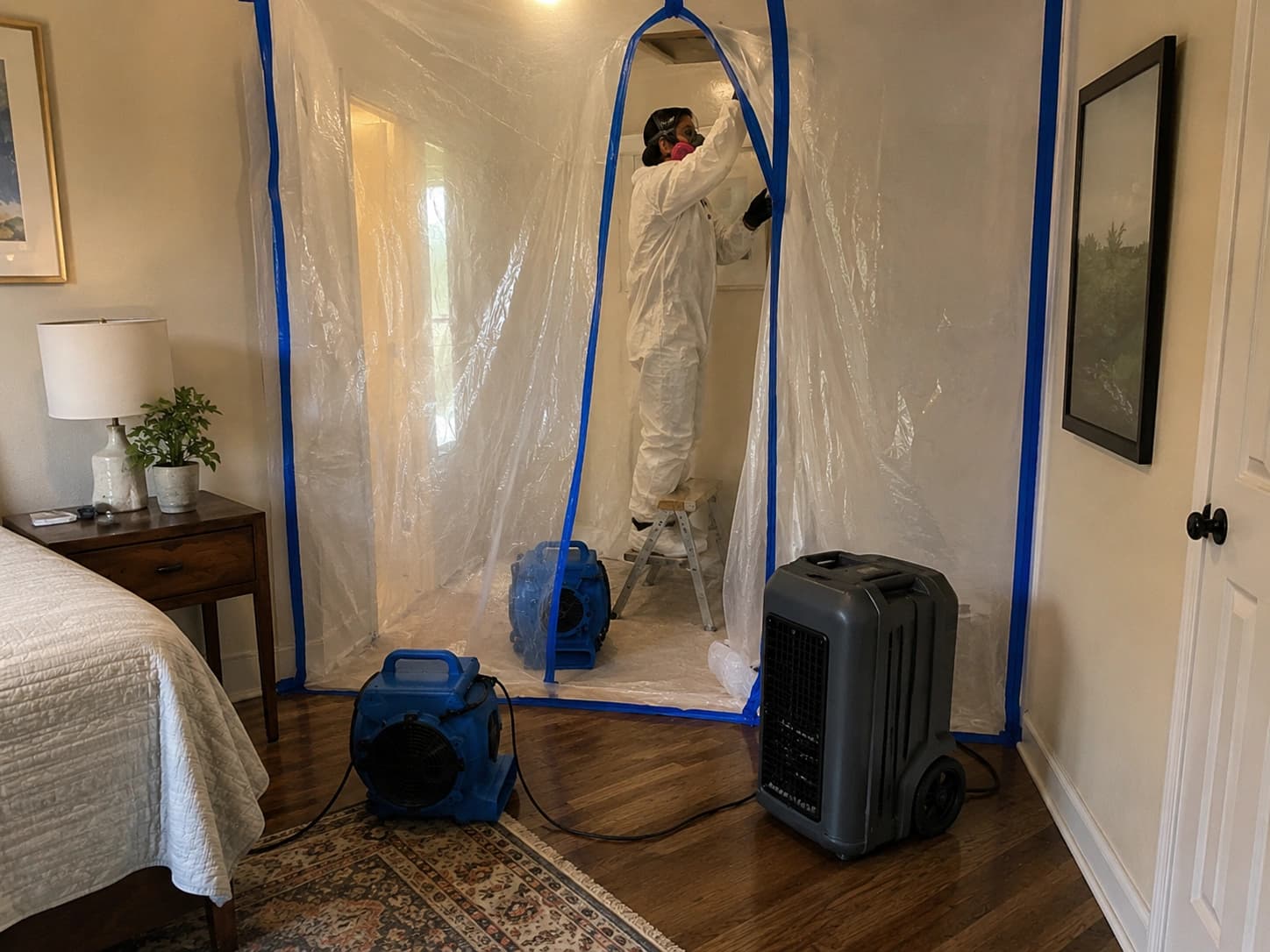
Mold Remediation
Remediation addresses more than surface cleanup. It covers containment, affected materials and the drying steps that reduce the chance of the same issue coming back.
Learn more →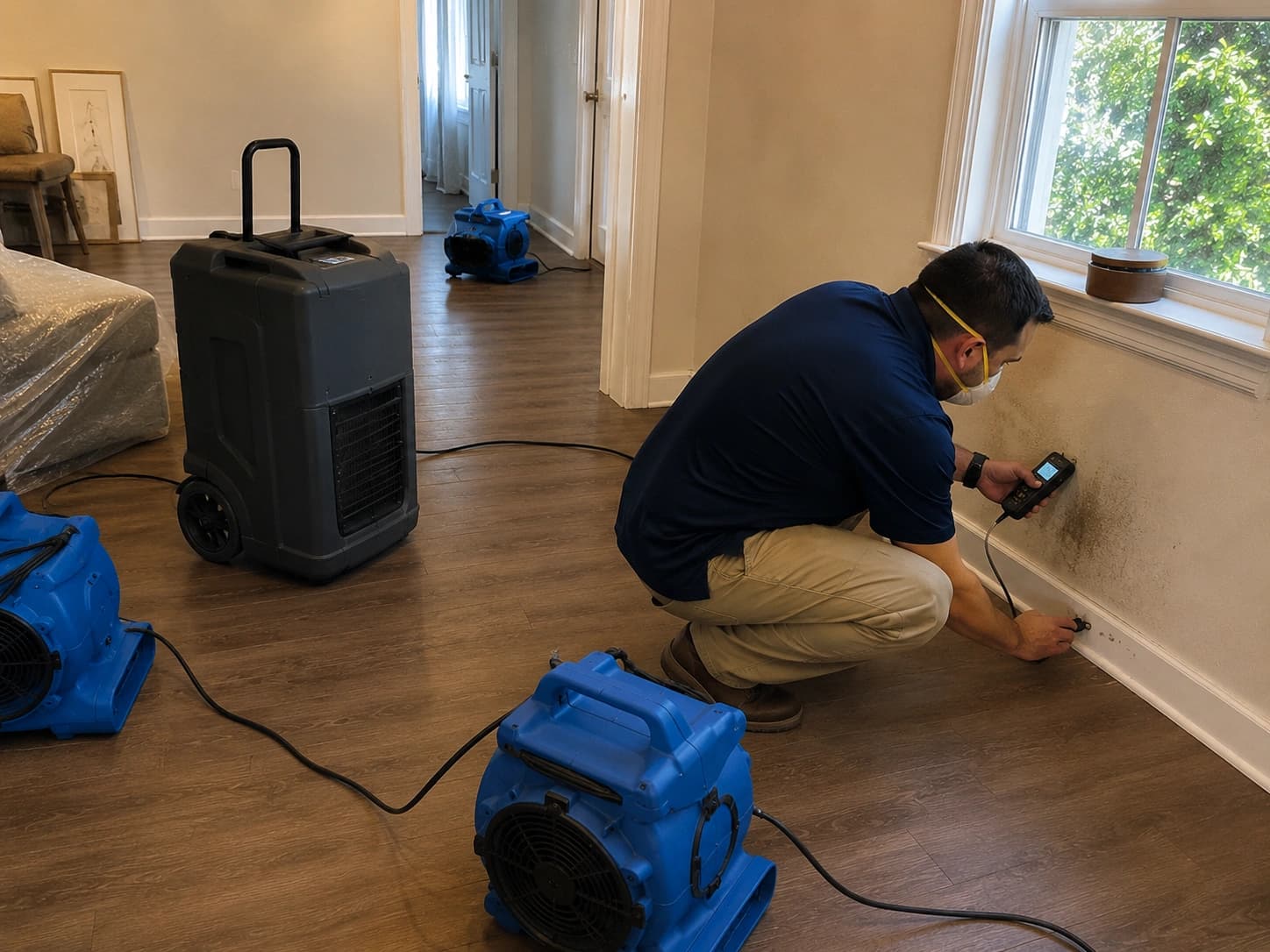
Emergency Mold Removal
Recent flooding, active moisture or sudden widespread odor are situations where calling early helps keep drying, containment and cleanup in the right order.
Learn more →Nearby Service Areas
Water Damage Restoration FAQ
How soon does water damage become a mold risk?
Mold can begin developing on wet organic materials in as little as 24 to 48 hours under the right conditions. That does not mean visible growth is certain, but it does mean getting materials dry quickly reduces risk.
Can I restore water-damaged materials myself?
Surface water on hard flooring and walls can sometimes be addressed with consumer drying equipment. Materials with deep saturation, including subfloor layers, drywall and insulation, typically need monitored drying and sometimes replacement.
What should I document for insurance after water damage?
Photograph standing water, saturated materials and visible damage before any cleanup or removal. Note the time and cause of the event and keep receipts for any emergency supplies purchased. Share that record with your carrier as early as possible.
Need Mold or Moisture Help in Santa Rosa?
Call to describe what you are seeing, talk through the likely scope and find out which service fits your home in Santa Rosa, CA.