Service
Structural Drying in Santa Rosa, CA
Structural Drying in Santa Rosa is built for homeowners dealing with why drying matters, common materials affected and moisture meter monitoring concepts. The page explains practical next steps, moisture source review plus service options for homes in Santa Rosa, CA.
Call NowPractical mold guidance for Santa Rosa homeowners
Help for visible mold, recurring odors and moisture concerns, with clear service options for homes across Sonoma County.
Focused on leak-related and hidden moisture concerns
Many mold calls connect to a water event. Describing what happened and when helps point the conversation toward the right service.
Straightforward service routing, no pressure
The goal is to match what you are seeing with the service path that makes the most sense for the affected area.
Santa Rosa and approved Sonoma County communities
Service information is available for Santa Rosa and nearby approved communities. Call to confirm coverage for your address.
Service overview
Structural Drying for Santa Rosa, CA
Structural Drying in Santa Rosa is built for homeowners dealing with why drying matters, common materials affected and moisture meter monitoring concepts. The page explains practical next steps, moisture source review plus service options for homes in Santa Rosa, CA.
If you are not sure which service fits your situation, call first and describe the moisture source, affected rooms and visible signs.
Service overview
What Structural Drying Involves
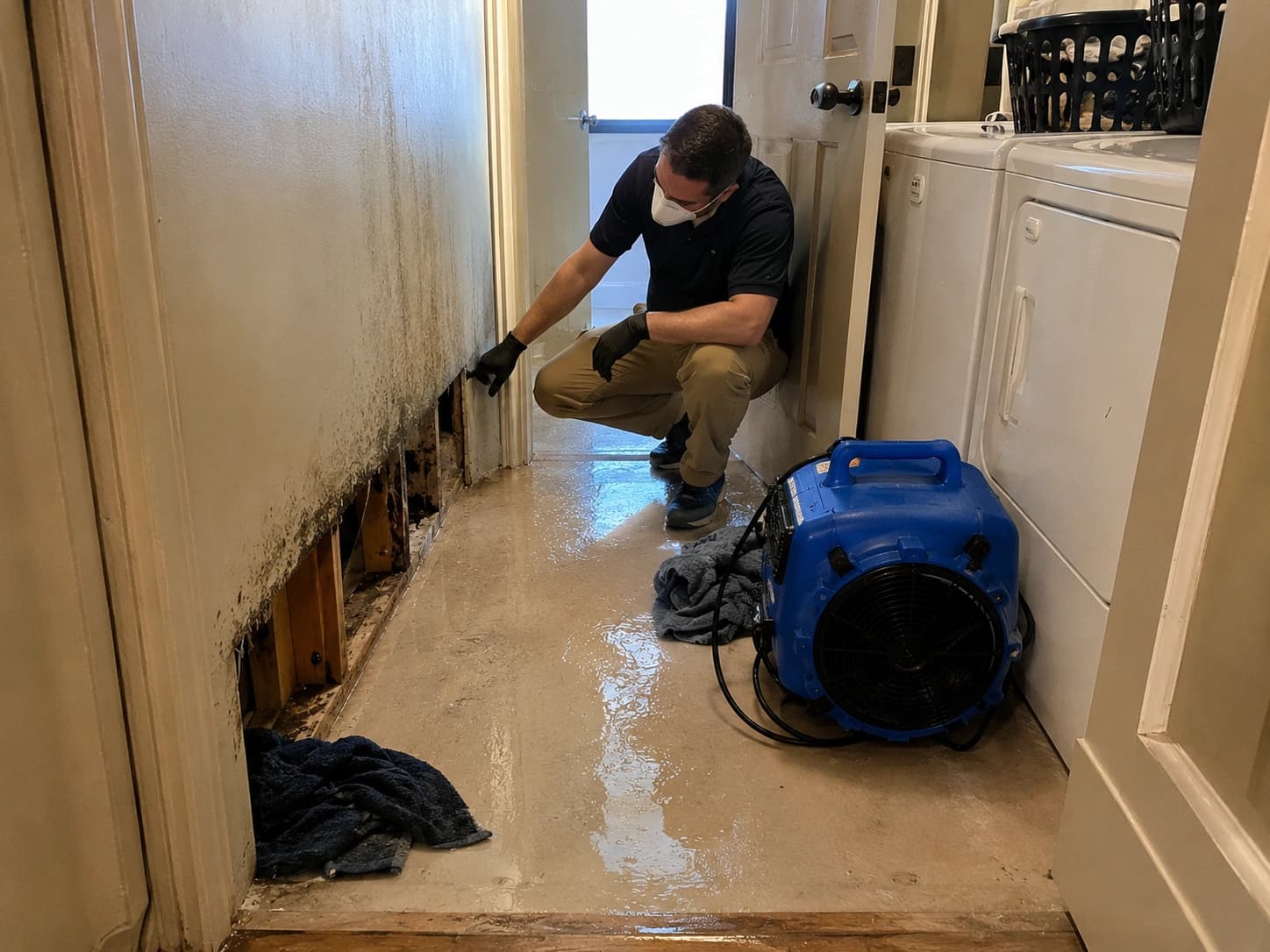
Structural drying uses specialized equipment and moisture monitoring to remove moisture from building materials that absorbed water after a leak, flood or condensation issue. The goal is to bring framing, drywall, subfloor and insulation to safe moisture readings before repair or finish work begins.
Many homes look dry at the surface within a day or two of a water event but still carry significant moisture inside wall cavities, under flooring and in ceiling assemblies. Surface appearance is not a reliable indicator of actual moisture content.
Measured drying with equipment calibrated to the affected materials, paired with daily moisture readings, is what separates structural drying from simply running a fan and waiting.
When to call
When Structural Drying Is Needed
- Drywall, subfloor or insulation was directly exposed to water during a leak or flood
- Surface areas feel dry but the room still smells musty or materials feel slightly heavy
- A remediation job or water cleanup is planned and drying needs to be verified before walls are closed
- Previous drying was done but staining or odor returned shortly after, suggesting incomplete drying
Service needs
What a Structural Drying Plan Can Cover
Mapping wet zones across affected rooms using moisture meters and thermal imaging
Placing drying equipment including air movers and dehumidifiers matched to the moisture map
Taking daily moisture readings to track progress and adjust equipment as materials dry
Providing a drying log that records readings and confirms when materials reached target moisture levels
Local context
Structural Drying in Santa Rosa Homes
Santa Rosa homes built before the 1980s often have layered wall assemblies, older insulation types and crawlspace conditions that affect how moisture travels through a structure after a leak. These homes can hold damp in places that newer construction dries more predictably.
Winter moisture events in Sonoma County including roof failures, gutter overflow and ground-level water intrusion can saturate structural elements for weeks if drying is not addressed promptly. Leaving wet materials in place while waiting for insurance approval is one of the most common ways structural damage expands.
If drying documentation will support a claim, make sure readings are recorded and dated throughout the process. A drying log with moisture readings over time is far more useful to an adjuster than photos taken at a single point.
How calls are handled
A Practical Sequence for Mold and Moisture Concerns
Most homeowners want to know what to expect before work starts. This sequence gives a realistic picture of how a mold or moisture situation is typically handled from first contact through completion.
Describe what you are seeing
Share which rooms are affected, when you first noticed signs and any odor or leak history you know about. More detail up front means less back-and-forth later.
Review moisture source and leak history
Understanding when a leak happened, whether the source was repaired and how materials were dried afterward helps shape the right response.
Identify affected materials
Soft drywall, warped trim, damp subfloor and stained surfaces each point to different drying or removal needs. Knowing the material helps plan the scope.
Contain and clean the affected area
Containment keeps growth from spreading during cleanup. Damaged materials are then removed or treated based on how wet they are and how long they were exposed. For larger cleanup projects where damaged drywall, trim, flooring or stored contents need to be cleared out, a dumpster rental can help keep disposal organized while the affected area is contained, cleaned and dried.
Dry and monitor until materials are stable
Drying equipment runs until moisture meter readings confirm materials have reached safe levels. This step matters more than it looks from the outside.
Confirm next steps and repair coordination
Once drying and any testing confirm the area is stable, repair work can be planned. This includes patching drywall, replacing trim or restoring finishes as needed.
Call now
Need Structural Drying Help?
Call to explain what happened and ask about Structural Drying help in Santa Rosa, CA.
Call NowRelated Services
Water Damage Restoration
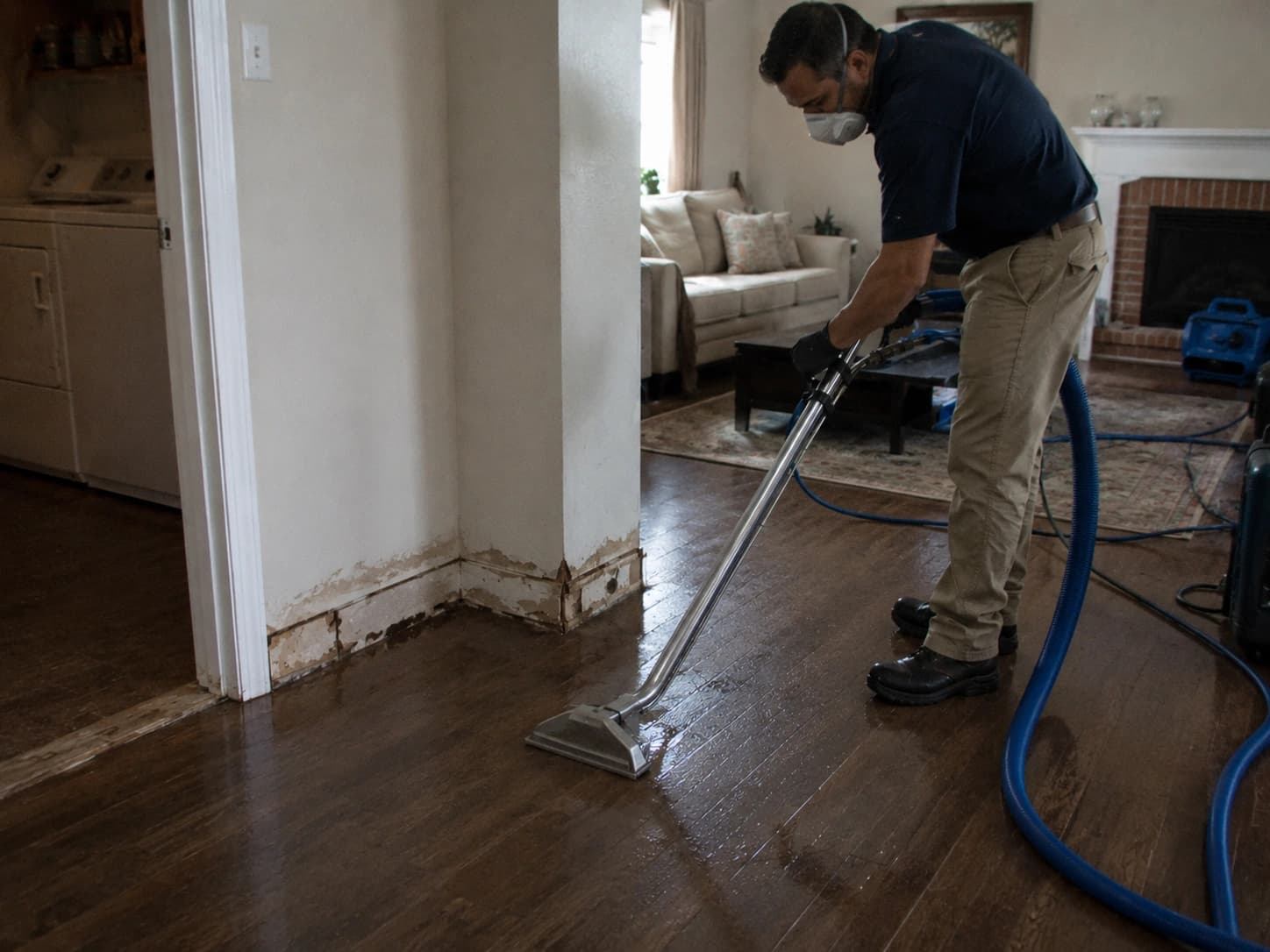
Water events often create moisture conditions that lead to mold if materials are not dried quickly. Call to discuss extraction, drying priorities and what that means for your home.
Learn more →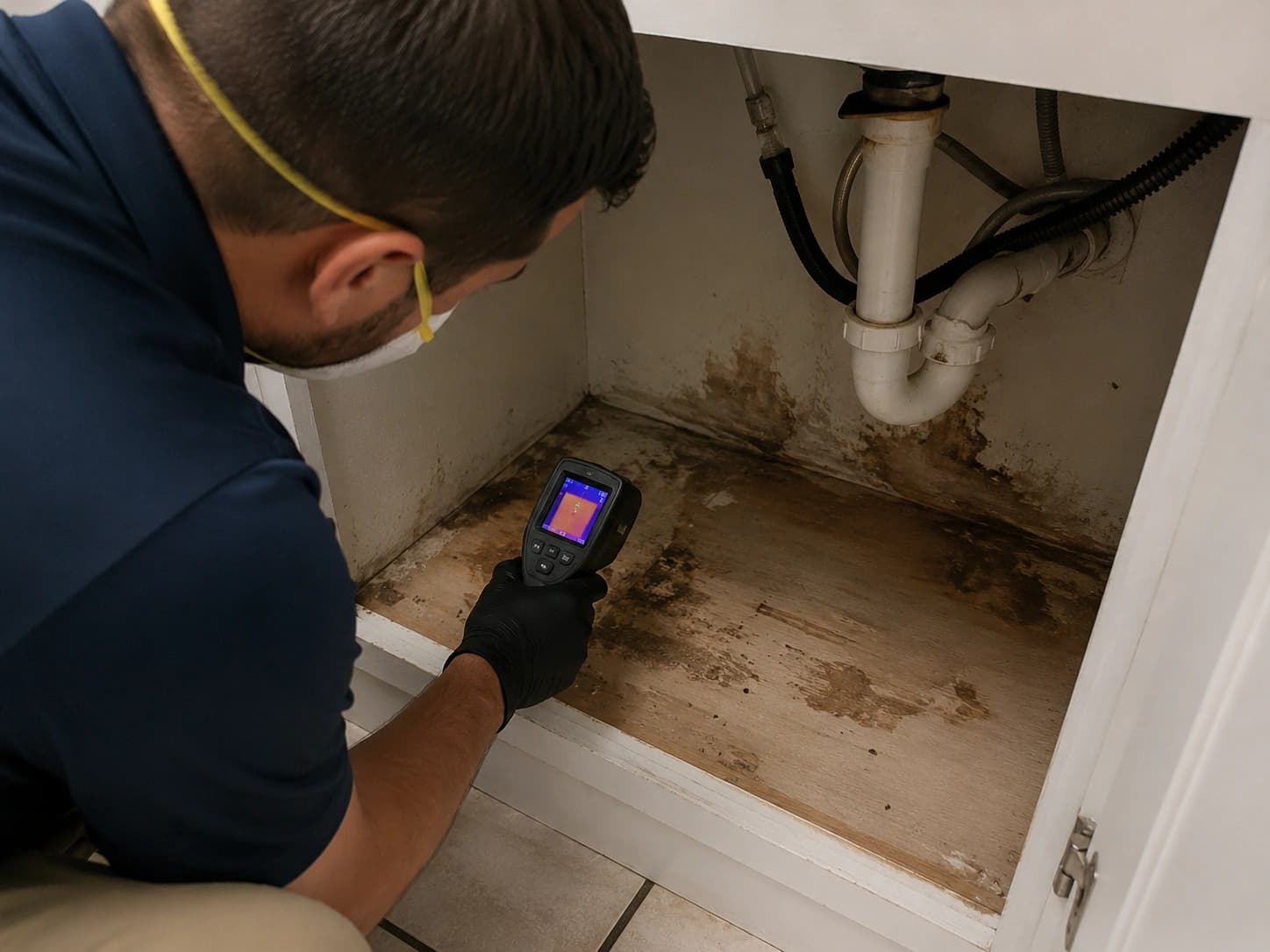
Moisture Detection
When odor or staining keeps returning after cleaning, moisture is likely still present behind walls or under flooring. Detection equipment can locate it before cleanup begins.
Learn more →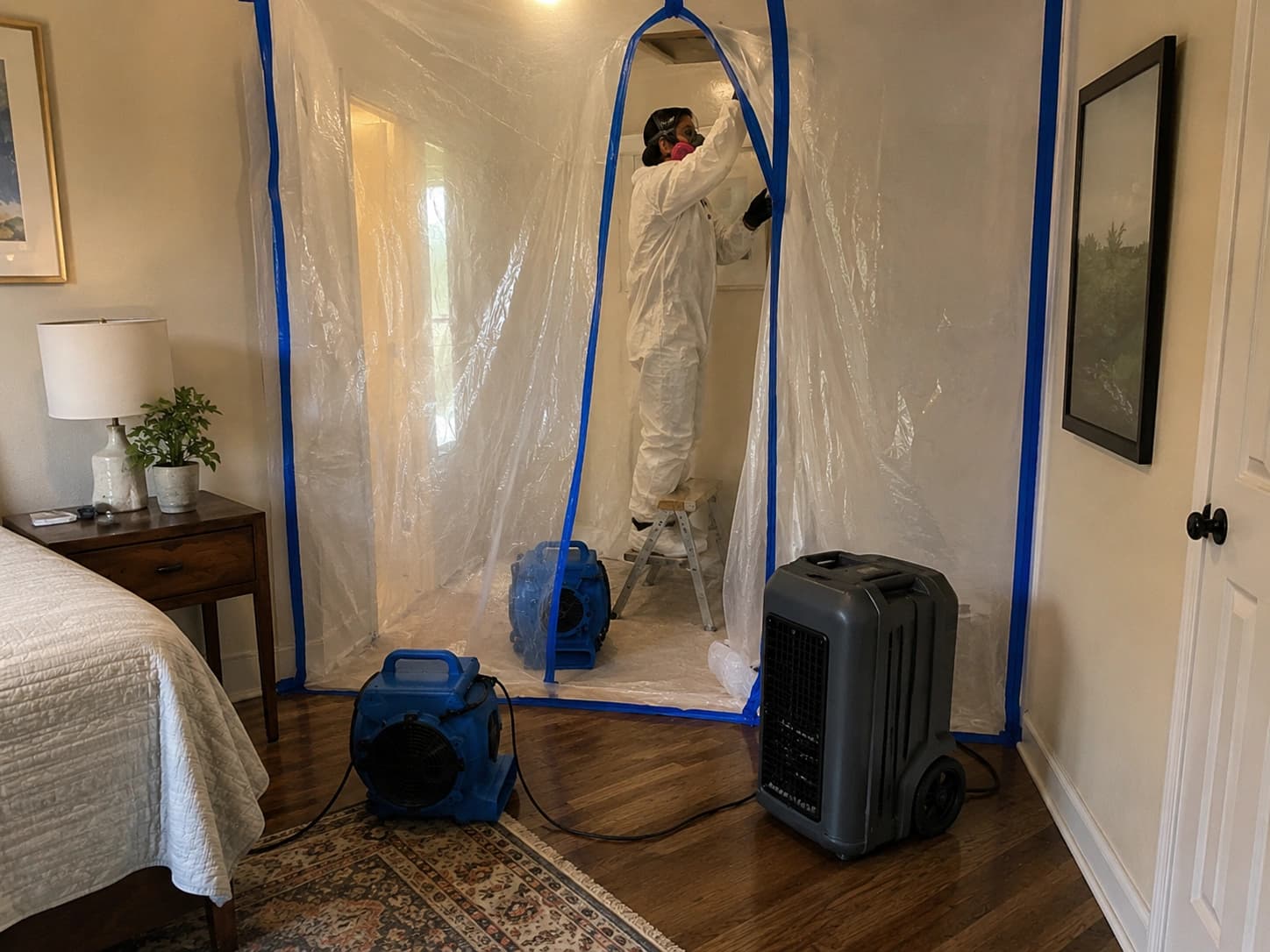
Mold Remediation
Remediation addresses more than surface cleanup. It covers containment, affected materials and the drying steps that reduce the chance of the same issue coming back.
Learn more →Nearby Service Areas
Structural Drying Involves FAQ
How long does structural drying take?
It depends on material type, depth of saturation and ambient conditions. Many residential jobs reach target readings within three to five days. Dense materials including hardwood subfloor and framing lumber can take longer.
Can I dry my home myself after a water event?
Consumer fans and dehumidifiers can help with surface moisture. They rarely reach moisture inside wall cavities, subfloor layers or below tile. Professional drying equipment is calibrated for material depth and volume of moisture involved.
How do I know when structural drying is actually complete?
Completion is determined by moisture meter readings, not by how the material looks or feels. Target readings vary by material type. A drying log that records readings over time is the standard way to document that drying is genuinely finished.
Need Mold or Moisture Help in Santa Rosa?
Call to describe what you are seeing, talk through the likely scope and find out which service fits your home in Santa Rosa, CA.