Service
Mold Inspection in Santa Rosa, CA
Mold Inspection in Santa Rosa is built for homeowners dealing with visual inspection process, history of leaks and water events and common hidden mold locations. The page explains practical next steps, moisture source review plus service options for homes in Santa Rosa, CA.
Call NowPractical mold guidance for Santa Rosa homeowners
Help for visible mold, recurring odors and moisture concerns, with clear service options for homes across Sonoma County.
Focused on leak-related and hidden moisture concerns
Many mold calls connect to a water event. Describing what happened and when helps point the conversation toward the right service.
Straightforward service routing, no pressure
The goal is to match what you are seeing with the service path that makes the most sense for the affected area.
Santa Rosa and approved Sonoma County communities
Service information is available for Santa Rosa and nearby approved communities. Call to confirm coverage for your address.
Service overview
Mold Inspection for Santa Rosa, CA
Mold Inspection in Santa Rosa is built for homeowners dealing with visual inspection process, history of leaks and water events and common hidden mold locations. The page explains practical next steps, moisture source review plus service options for homes in Santa Rosa, CA.
If you are not sure which service fits your situation, call first and describe the moisture source, affected rooms and visible signs.
Service overview
What a Mold Inspection Covers
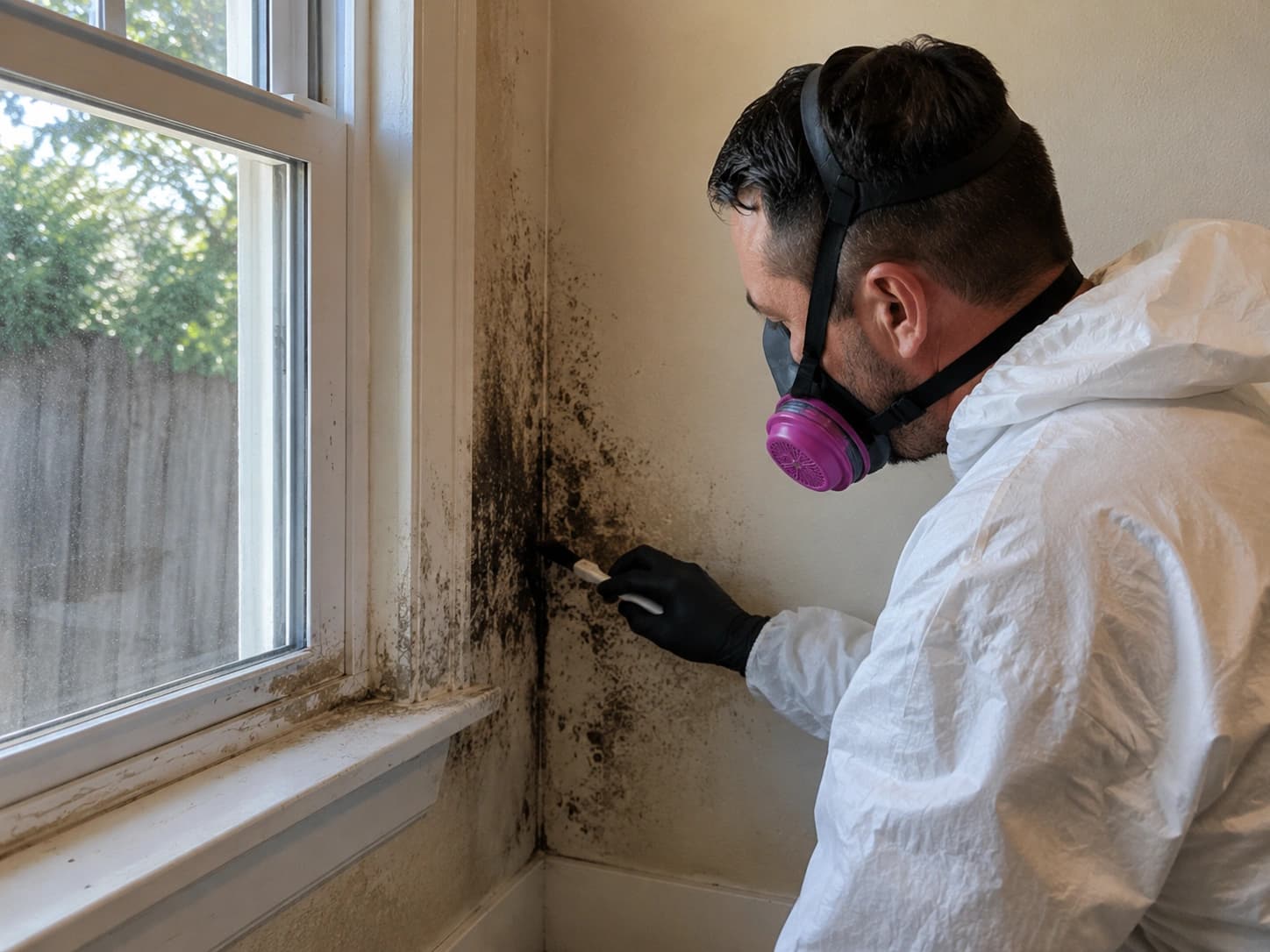
A mold inspection focuses on finding the extent of visible growth, locating moisture sources and determining whether signs point to surface issues or something deeper inside a wall, floor or ceiling assembly.
Inspection is often the right starting point when odor is present without clear visible growth, when a recent leak left staining but cleanup was not verified, or when repeated surface treatment has not resolved the underlying problem.
The inspection process involves a visual review of affected rooms, checking moisture-prone areas such as bathrooms, crawlspaces and wall cavities behind plumbing, and identifying likely leak pathways based on home layout and event history.
When to call
When an Inspection Is Worth Scheduling
- Persistent musty odor in one room with no obvious visible source on exposed surfaces
- Staining near ceiling penetrations, window frames or exterior walls that reappears after repainting
- A recent leak where the source was repaired but materials were not verified as dry
- Odor that increases in humid weather or after rain, suggesting moisture still present behind finishes
Service needs
What Inspection Can Help Clarify
Whether visible signs are the full extent of the problem or indicate deeper moisture
Likely moisture pathways based on room layout, leak history and building age
Whether moisture detection equipment is needed to check behind walls or under flooring
What service path makes sense next, whether that is testing, drying, remediation or a combination
Local context
Mold Inspection in Santa Rosa Homes
Inspection calls in Santa Rosa often follow a water event where the leak was fixed but materials were never formally checked. The visible repair looks fine, but odor or surface staining returns a few months later.
Homes built before the 1980s in Santa Rosa can have older vapor barriers, crawlspace conditions and wall assemblies that hold moisture differently than newer construction. Inspection findings often differ significantly by property age.
If an inspection will support an insurance claim, take photos beforehand and note the date and event that prompted the concern. That documentation makes the inspection findings more useful.
How calls are handled
A Practical Sequence for Mold and Moisture Concerns
Most homeowners want to know what to expect before work starts. This sequence gives a realistic picture of how a mold or moisture situation is typically handled from first contact through completion.
Describe what you are seeing
Share which rooms are affected, when you first noticed signs and any odor or leak history you know about. More detail up front means less back-and-forth later.
Review moisture source and leak history
Understanding when a leak happened, whether the source was repaired and how materials were dried afterward helps shape the right response.
Identify affected materials
Soft drywall, warped trim, damp subfloor and stained surfaces each point to different drying or removal needs. Knowing the material helps plan the scope.
Contain and clean the affected area
Containment keeps growth from spreading during cleanup. Damaged materials are then removed or treated based on how wet they are and how long they were exposed. For larger cleanup projects where damaged drywall, trim, flooring or stored contents need to be cleared out, a dumpster rental can help keep disposal organized while the affected area is contained, cleaned and dried.
Dry and monitor until materials are stable
Drying equipment runs until moisture meter readings confirm materials have reached safe levels. This step matters more than it looks from the outside.
Confirm next steps and repair coordination
Once drying and any testing confirm the area is stable, repair work can be planned. This includes patching drywall, replacing trim or restoring finishes as needed.
Call now
Need Mold Inspection Help?
Call to explain what happened and ask about Mold Inspection help in Santa Rosa, CA.
Call NowRelated Services
Mold Testing
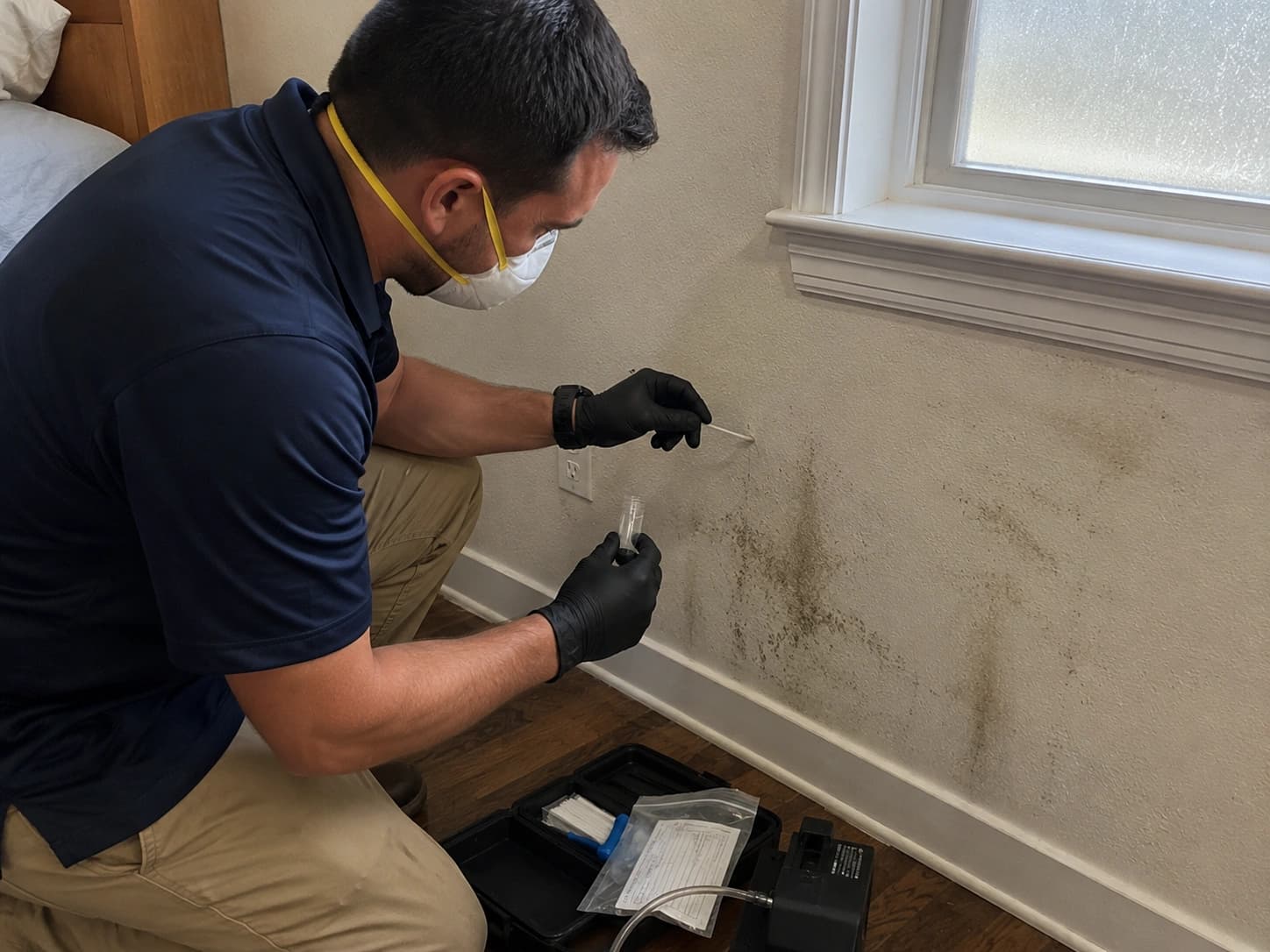
Testing is most useful when scope is unclear, documentation will affect decisions or you want confirmation before or after cleanup work.
Learn more →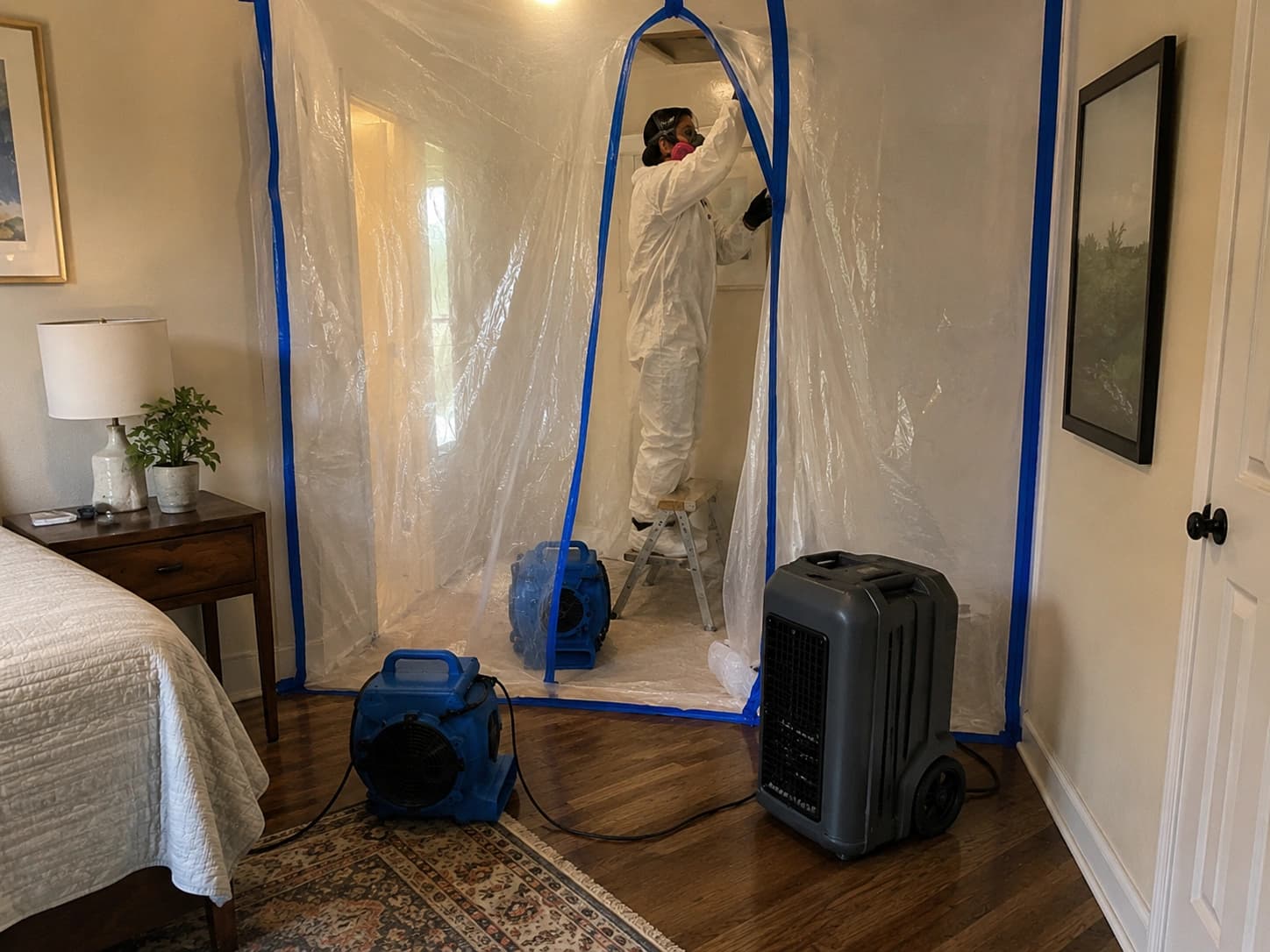
Mold Remediation
Remediation addresses more than surface cleanup. It covers containment, affected materials and the drying steps that reduce the chance of the same issue coming back.
Learn more →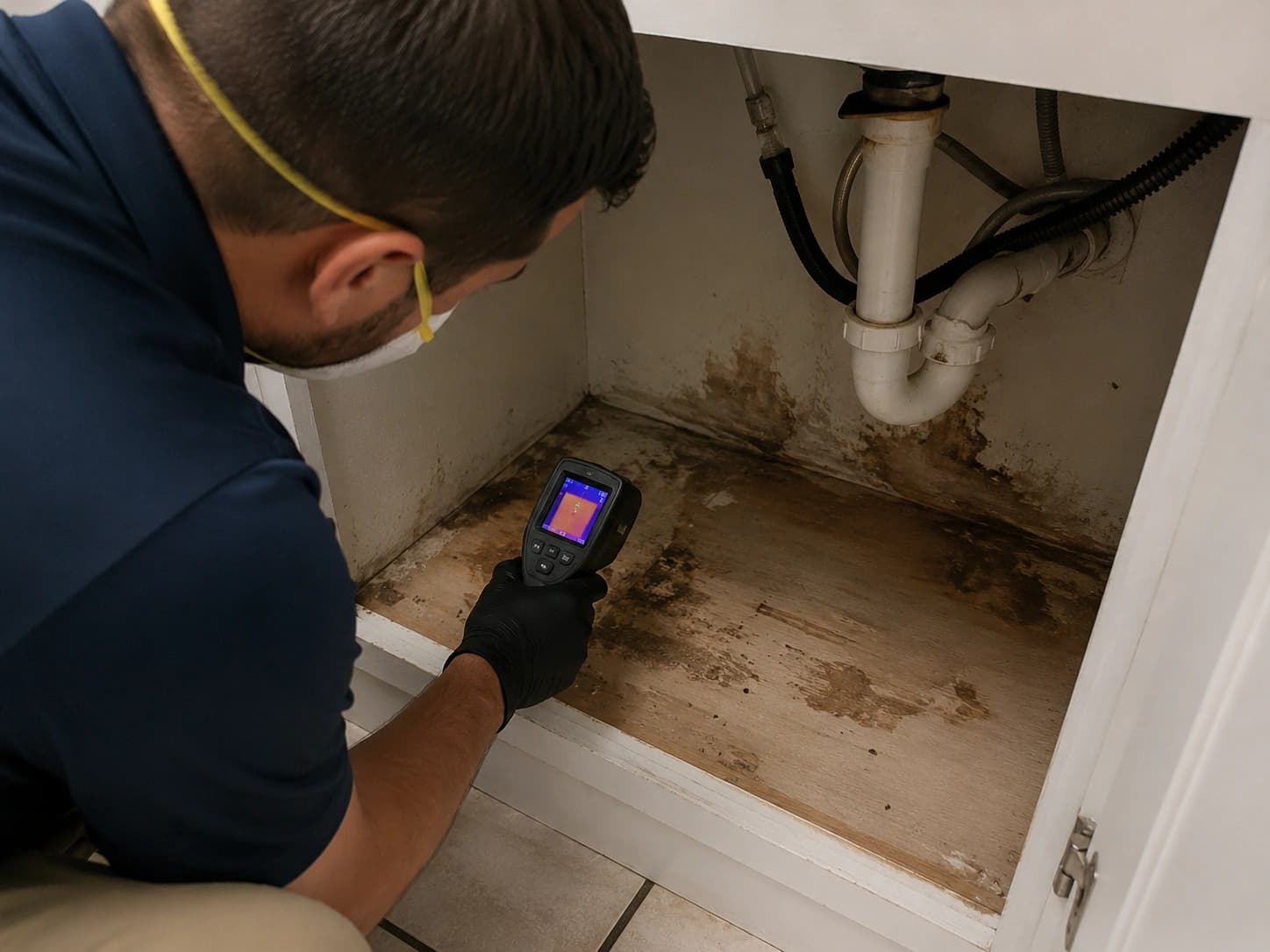
Moisture Detection
When odor or staining keeps returning after cleaning, moisture is likely still present behind walls or under flooring. Detection equipment can locate it before cleanup begins.
Learn more →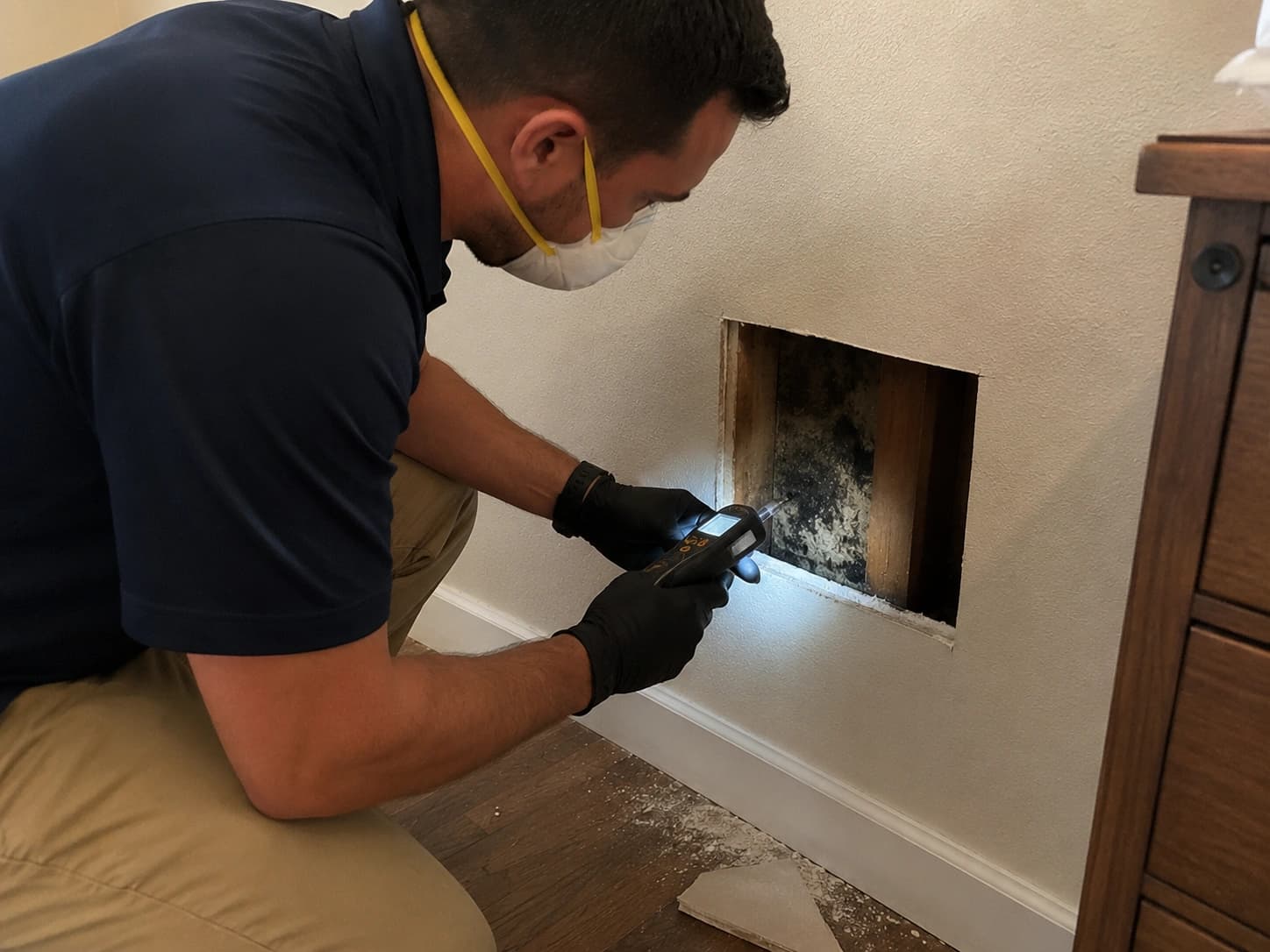
Black Mold Removal
Dark growth in bathrooms, on drywall or near past leak points raises immediate questions. Call to describe what you see and talk through safe containment and cleanup steps.
Learn more →Nearby Service Areas
a Mold Inspection FAQ
What is the difference between inspection and testing?
Inspection is a visual and physical review to identify extent, location and likely source. Testing collects air or surface samples to identify or quantify growth. Many situations benefit from inspection first and testing only if results add useful clarity.
Do I need to be present during the inspection?
It helps to be available, especially to share leak history and point out rooms with recurring signs. Your input often makes the inspection more targeted and efficient.
What happens after the inspection?
Findings typically guide the next step, which may be targeted drying, full remediation, moisture detection in a specific wall or a wait-and-watch approach if conditions are minor. The recommendation depends on what was found.
Need Mold or Moisture Help in Santa Rosa?
Call to describe what you are seeing, talk through the likely scope and find out which service fits your home in Santa Rosa, CA.