
Service
Moisture Detection in Santa Rosa, CA
Moisture Detection in Santa Rosa is built for homeowners dealing with hidden moisture problem scenarios, leak-history diagnostics and wall and flooring moisture checks. The page explains practical next steps, moisture source review plus service options for homes in Santa Rosa, CA.
Call NowPractical mold guidance for Santa Rosa homeowners
Help for visible mold, recurring odors and moisture concerns, with clear service options for homes across Sonoma County.
Focused on leak-related and hidden moisture concerns
Many mold calls connect to a water event. Describing what happened and when helps point the conversation toward the right service.
Straightforward service routing, no pressure
The goal is to match what you are seeing with the service path that makes the most sense for the affected area.
Santa Rosa and approved Sonoma County communities
Service information is available for Santa Rosa and nearby approved communities. Call to confirm coverage for your address.
Service overview
Moisture Detection for Santa Rosa, CA
Moisture Detection in Santa Rosa is built for homeowners dealing with hidden moisture problem scenarios, leak-history diagnostics and wall and flooring moisture checks. The page explains practical next steps, moisture source review plus service options for homes in Santa Rosa, CA.
If you are not sure which service fits your situation, call first and describe the moisture source, affected rooms and visible signs.
Service overview
What Moisture Detection Covers
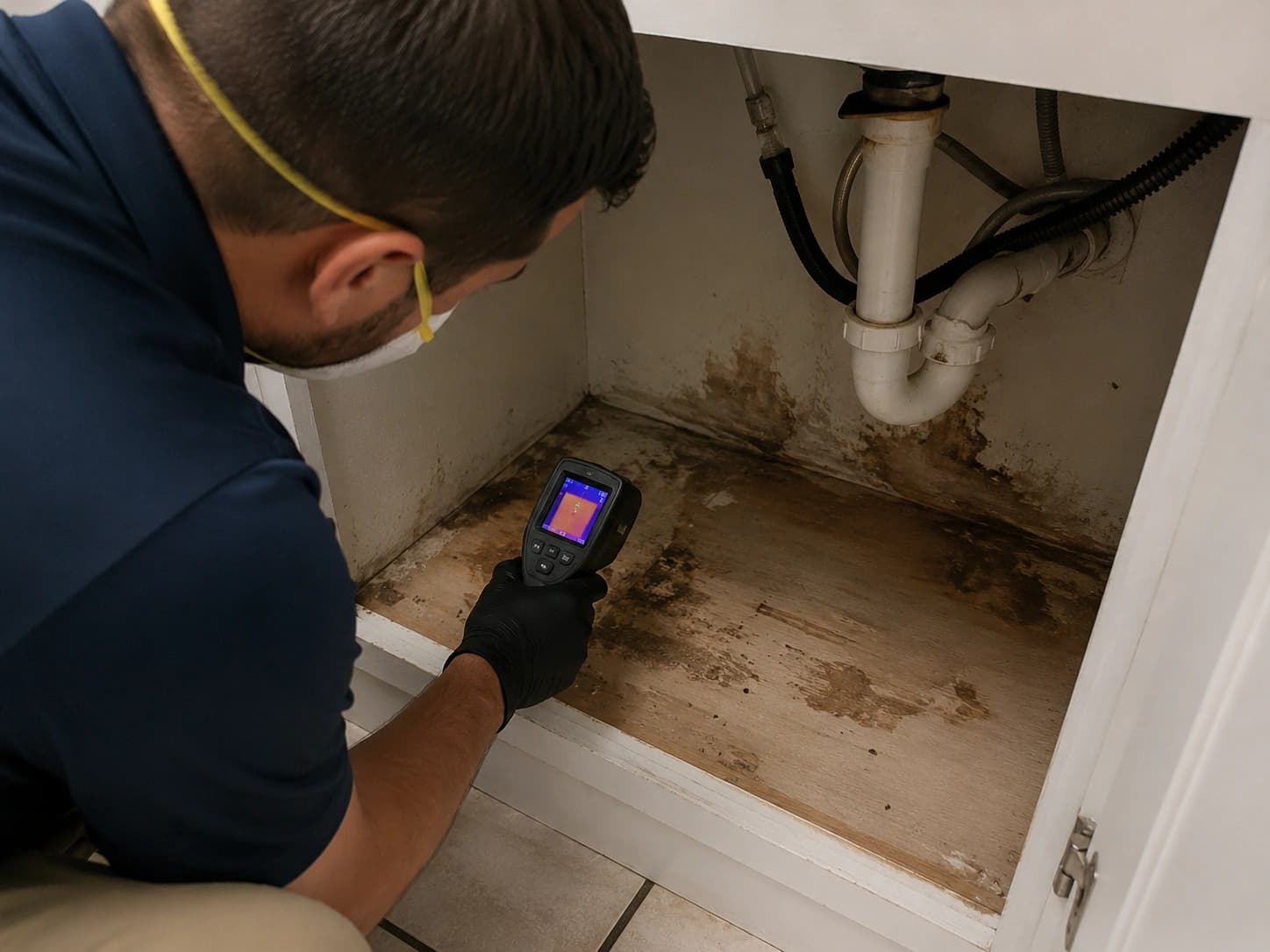
Moisture detection uses meters, probes and thermal imaging to locate dampness inside wall cavities, under flooring and behind finishes before it becomes visible or develops into a larger problem.
Many moisture situations start as an odor problem with no clear visual source. Detection work maps where moisture is concentrated, how far it has spread and what materials are holding it. That information shapes what comes next.
Detection is often the right first step when a homeowner suspects hidden damp but does not want to open walls based on a guess. It can confirm or rule out cavity moisture before any invasive work begins.
When to call
When Moisture Detection Makes Sense
- Persistent musty odor in a room with no visible mold or staining on exposed surfaces
- Known leak history in a specific wall or floor area where drying was not formally verified
- Paint bubbling or soft drywall in a location without an obvious surface water source
- Odor that is stronger when the room has been closed up overnight or after rain
Service needs
What Moisture Detection Work Can Include
Using non-invasive moisture meters to scan wall and floor surfaces for elevated readings
Probing through small access points in areas where non-invasive readings suggest deep moisture
Thermal imaging to identify temperature differentials associated with evaporative cooling of wet materials
A moisture map showing where elevated readings were found and what materials are involved
Local context
Moisture Detection in Santa Rosa
Crawlspace moisture is one of the most common hidden damp scenarios in Santa Rosa. Many older homes have wood subfloors above unsealed crawlspaces. During wet winters, ground moisture rises into framing and floor assemblies. Homeowners often notice a musty smell in a ground-floor room and have no idea the source is below the floor rather than inside a wall.
Bathroom and kitchen plumbing leaks that drain slowly into wall cavities over months are another frequent detection call pattern. The surface around the pipe looks fine but moisture readings inside the wall show saturation that has been building for a long time.
Bring any photos of previous leak events, staining or repairs when you call. That history helps focus detection work on the areas most likely to still hold moisture.
How calls are handled
A Practical Sequence for Mold and Moisture Concerns
Most homeowners want to know what to expect before work starts. This sequence gives a realistic picture of how a mold or moisture situation is typically handled from first contact through completion.
Describe what you are seeing
Share which rooms are affected, when you first noticed signs and any odor or leak history you know about. More detail up front means less back-and-forth later.
Review moisture source and leak history
Understanding when a leak happened, whether the source was repaired and how materials were dried afterward helps shape the right response.
Identify affected materials
Soft drywall, warped trim, damp subfloor and stained surfaces each point to different drying or removal needs. Knowing the material helps plan the scope.
Contain and clean the affected area
Containment keeps growth from spreading during cleanup. Damaged materials are then removed or treated based on how wet they are and how long they were exposed. For larger cleanup projects where damaged drywall, trim, flooring or stored contents need to be cleared out, a dumpster rental can help keep disposal organized while the affected area is contained, cleaned and dried.
Dry and monitor until materials are stable
Drying equipment runs until moisture meter readings confirm materials have reached safe levels. This step matters more than it looks from the outside.
Confirm next steps and repair coordination
Once drying and any testing confirm the area is stable, repair work can be planned. This includes patching drywall, replacing trim or restoring finishes as needed.
Call now
Need Moisture Detection Help?
Call to explain what happened and ask about Moisture Detection help in Santa Rosa, CA.
Call NowRelated Services
Mold Inspection
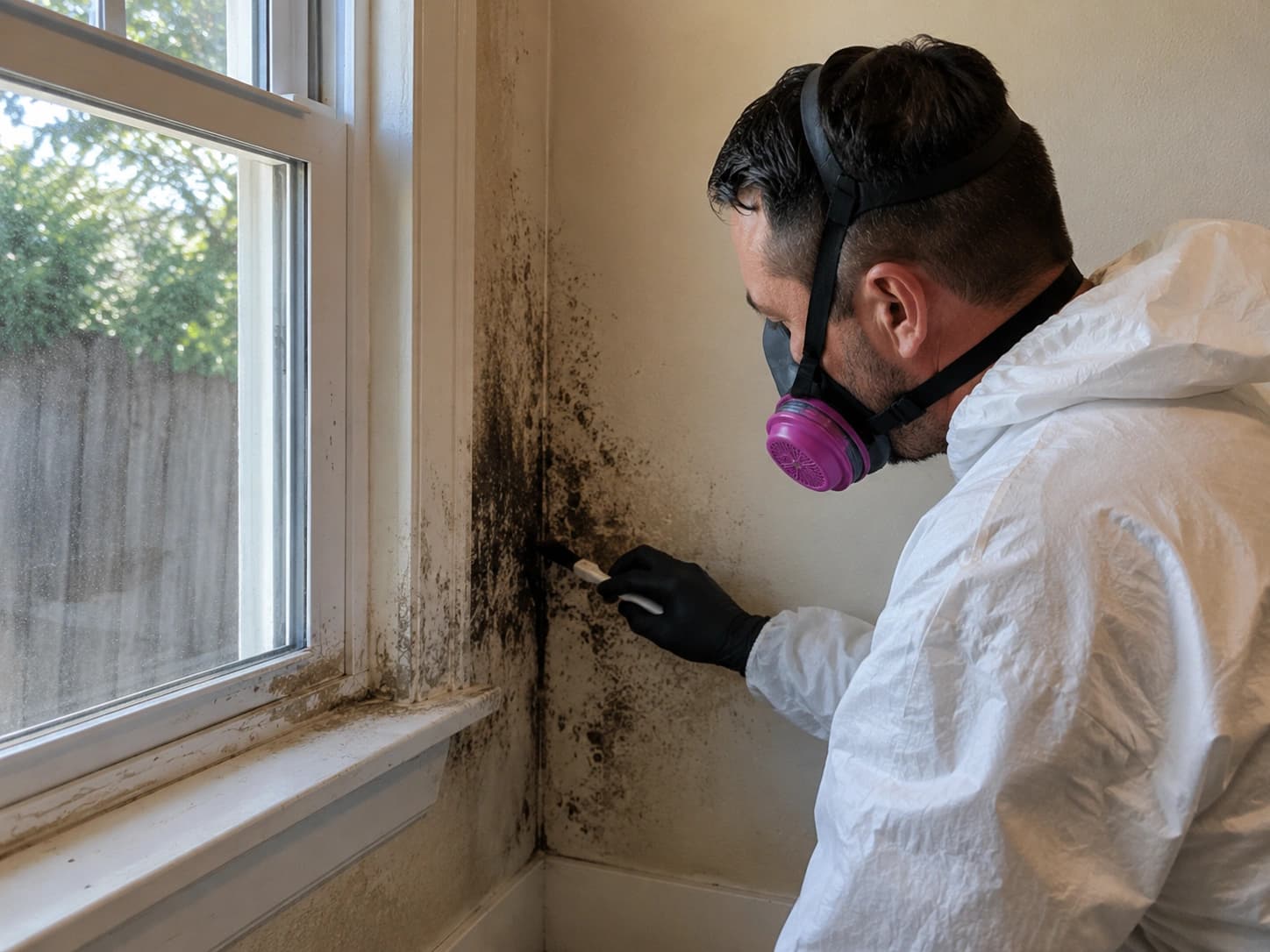
An inspection helps determine whether odor or surface staining is the full picture or whether moisture is still present inside walls, cabinet backs or below flooring.
Learn more →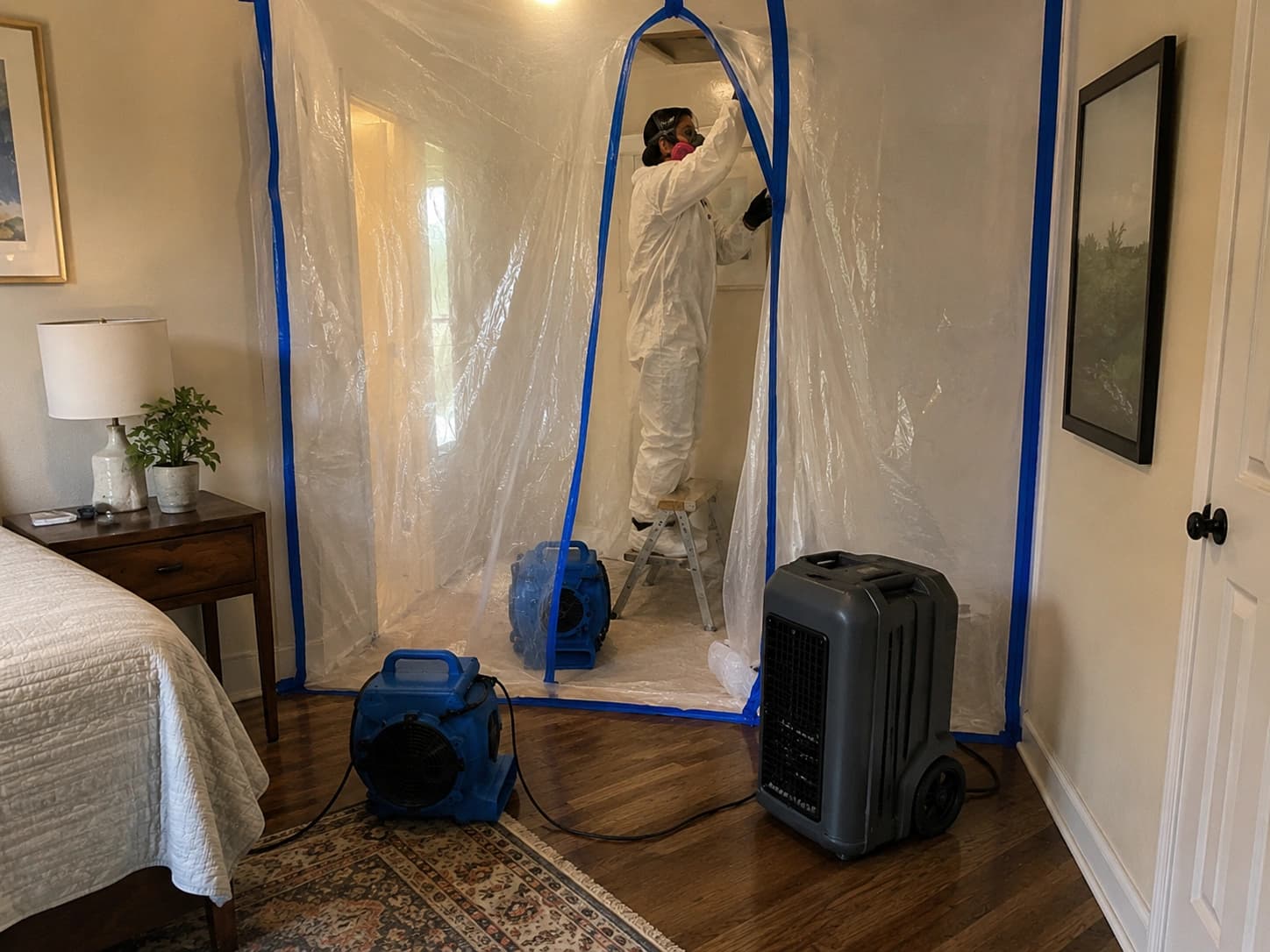
Mold Remediation
Remediation addresses more than surface cleanup. It covers containment, affected materials and the drying steps that reduce the chance of the same issue coming back.
Learn more →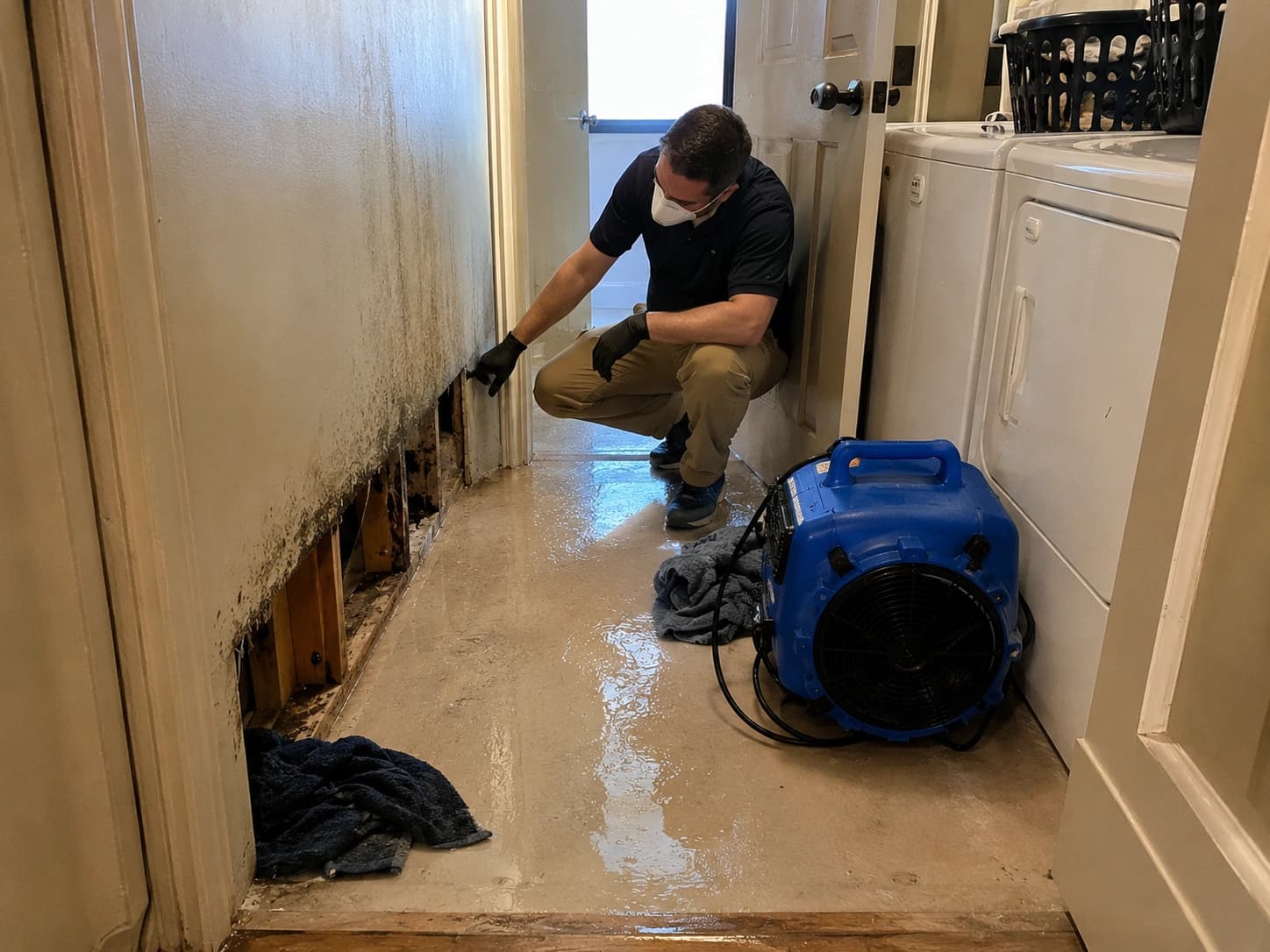
Structural Drying
Drywall, subfloor layers and insulation hold moisture long after a surface looks and feels dry. Measured drying helps confirm when materials are actually stable.
Learn more →Nearby Service Areas
Moisture Detection FAQ
Do I need to cut open walls for moisture detection?
Not always. Non-invasive meters and thermal imaging can identify wet areas without opening walls in many cases. If readings suggest concentrated deep moisture, a small access point in a targeted location may be needed to confirm.
Can moisture detection find a leak source?
Detection can locate where moisture is concentrated but it does not always identify the exact source. Findings typically narrow the investigation so a plumber or inspector can check the most likely cause.
I had a leak fixed months ago. Is it worth checking for remaining moisture?
Yes. Materials dried in the days after a repair can still hold residual moisture inside cavities. If odor returned or never fully cleared after the repair, detection work often finds moisture that surface drying did not reach.
Need Mold or Moisture Help in Santa Rosa?
Call to describe what you are seeing, talk through the likely scope and find out which service fits your home in Santa Rosa, CA.